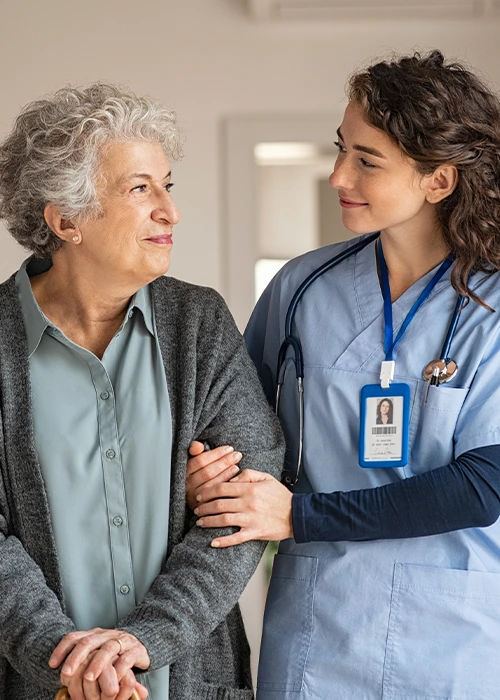
Preserving geriatric health involves addressing functional declines, dietary balance, and adapted physical activity. A multidisciplinary strategy interconnects these aspects to support sustained independent living and autonomy.
01
Combating isolation via social bonding
Intergenerational connections with family or community centers reduce social isolation risks. Joining recreational clubs, volunteer programs, or peer gatherings boosts emotional resilience and cognitive function.
02
Relaxation therapy and stress management
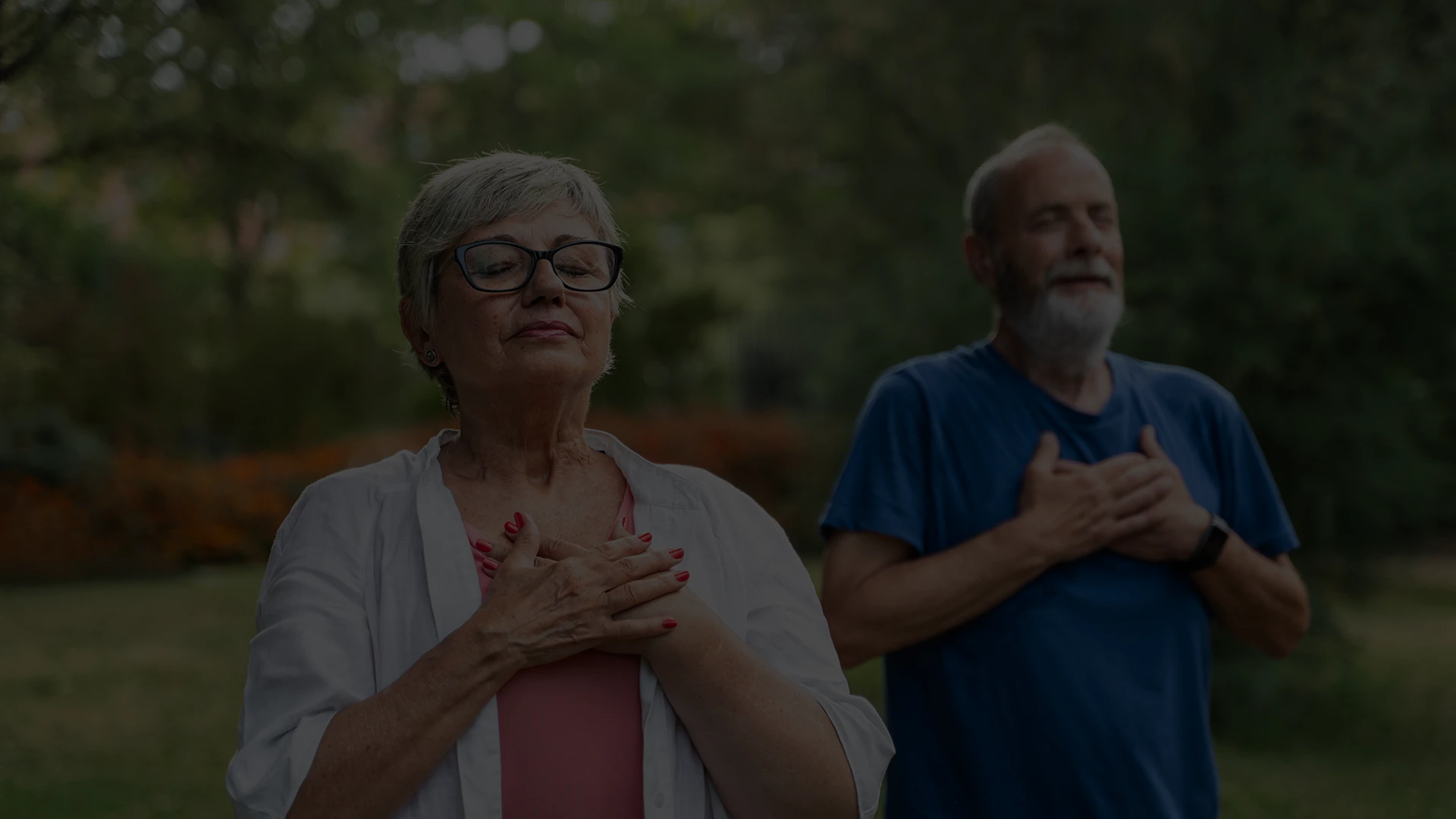
Adapted practices like chair yoga, mindful breathing, or Tai Chi help manage anxiety, improve emotional regulation, and promote relaxation, contributing to senior mental health.
03
Brain training and intellectual vitality
Engaging in memory games, reading, or lifelong learning workshops keeps neural pathways active. This enhances cognitive reserve, fosters accomplishment, and supports psychological health against decline.
Principles of geriatric healthcare
Foundations of preventive medical oversight
Gerontology prioritizes disease prevention in aging populations. Key components include bone density scans and screenings for cardiovascular pathologies. Managing comorbidities like type 2 diabetes or osteoarthritis requires a structured nursing plan coordinated by medical specialists to ensure treatment adherence.
This strategy targets functional capacities and autonomy preservation. It addresses physiological aging, aiming to optimize motor skills through occupational therapy. Health literacy ensures patients understand their clinical status and therapeutic protocols.
Geriatric health check-ups
Chronic disease management
Vital signs monitoring
Assistive devices for sustaining mobility
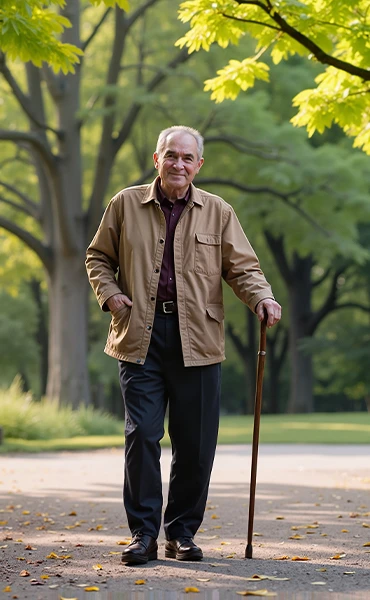
Ergonomic canes
Stabilize balance during transfers.
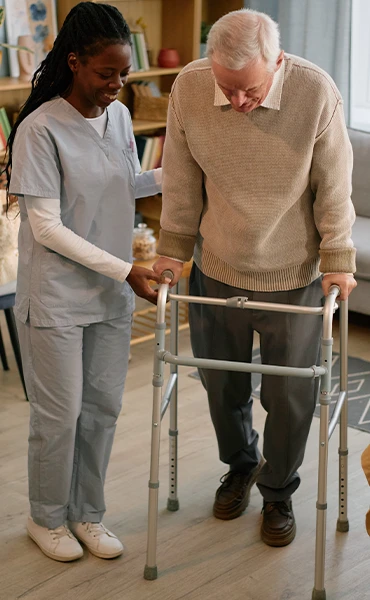
Rollators (Standard or Wheeled)
Offer stability for outdoor ambulation.
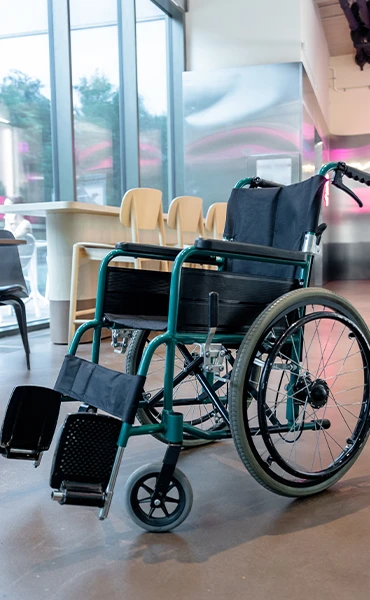
Manual wheelchairs
Facilitate displacement despite motor impairments.
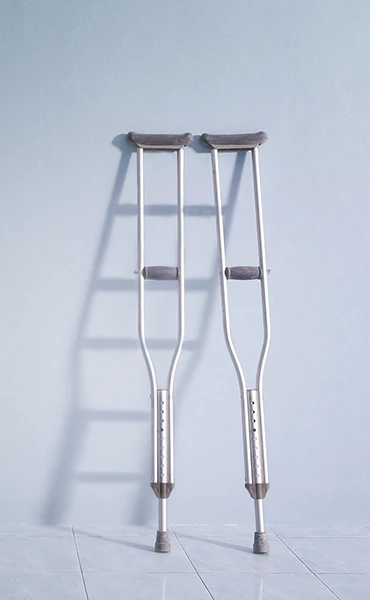
Forearm crutches
Offload weight for post-op recovery.
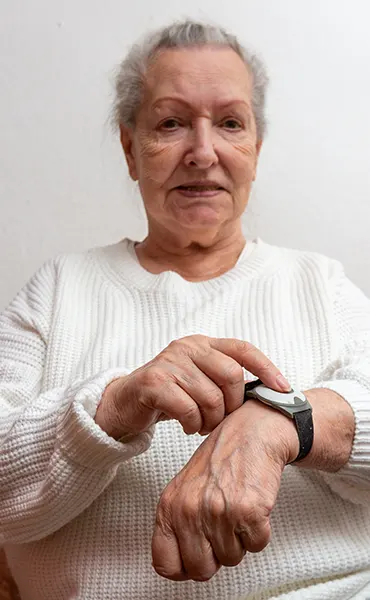
Fall detection bracelet
Wearable tech triggering emergency response.
Geriatric nutrition for the aging metabolism
With metabolic slowing, dietary guidelines evolve. Nutrient-dense meals provide vitamins without caloric surplus. High-protein intake combats sarcopenia, while calcium ensures skeletal health. Hydration protocols are critical. Plans must address dysphagia or mastication issues through texture-modified foods and digestible nutritional supplements.
Daily Living Assistance
Domiciliary care for senior dependency
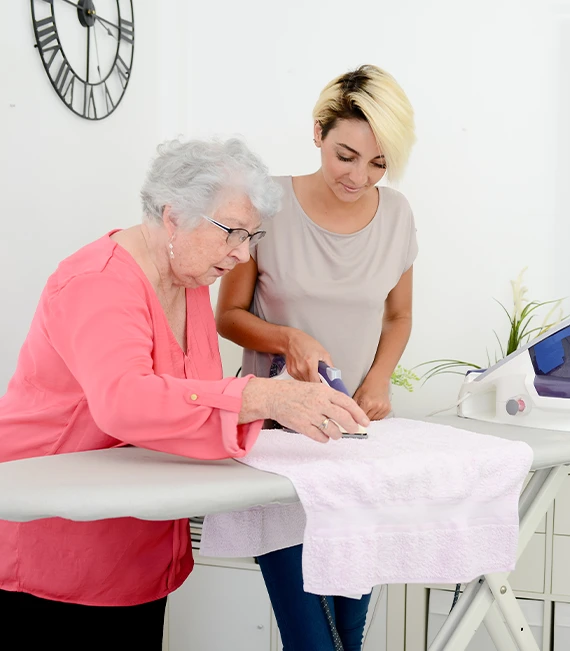
Personal care assistants support dependent seniors, offering holistic nursing beyond basic aid. They manage hygiene routines, dressing assistance, meal preparation, and grocery procurement, ensuring a sanitized environment. This home support allows beneficiaries to preserve autonomy in activities of daily living (ADL).
Beyond logistical aid, caregivers provide companionship, emotional support, and cognitive stimulation to prevent social withdrawal. By delivering person-centered care, they enhance life quality for care recipients while providing respite for family caregivers.
SUPPORTING AGING IN PLACE
Equipment for enhancing home safety
Safety rails and support bars
Secure wet zones and staircases, reducing domestic falls risk.
Anti-slip coating
Secures surfaces in high-traffic zones like kitchens.
Access ramps and stairlifts
Facilitate wheelchair access for reduced mobility users.
Adapted sanitary ware
Walk-in tubs and ergonomic basins ensure hygiene safety.
Assistive Domotics
Domotics for secure independent living
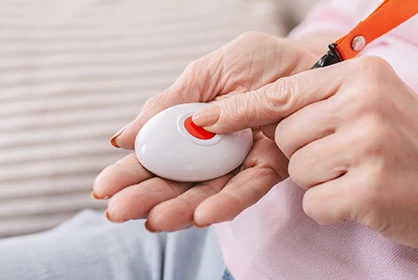
Telecare transmitters
Trigger alerts during medical emergencies or falls.
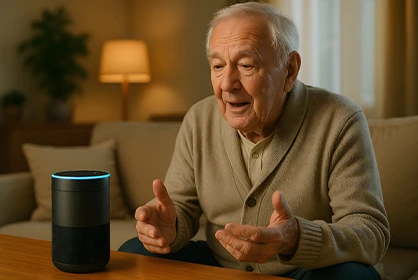
Home automation
Voice assistants and smart lighting simplify daily routines.

Non-pharmacological interventions complement allopathic medicine. Soft gymnastics, aquatic therapy, and balance workshops promote joint flexibility and proprioception. Geriatric osteopathy and physiotherapy sessions alleviate chronic pain, improving functional comfort.
Acupuncture, reflexology, and sophrology reduce psychological stress and enhance sleep quality. Using phytotherapy or natural supplements supports vitality under medical supervision. These methods offer gentle alternatives to maintain psychophysical balance.